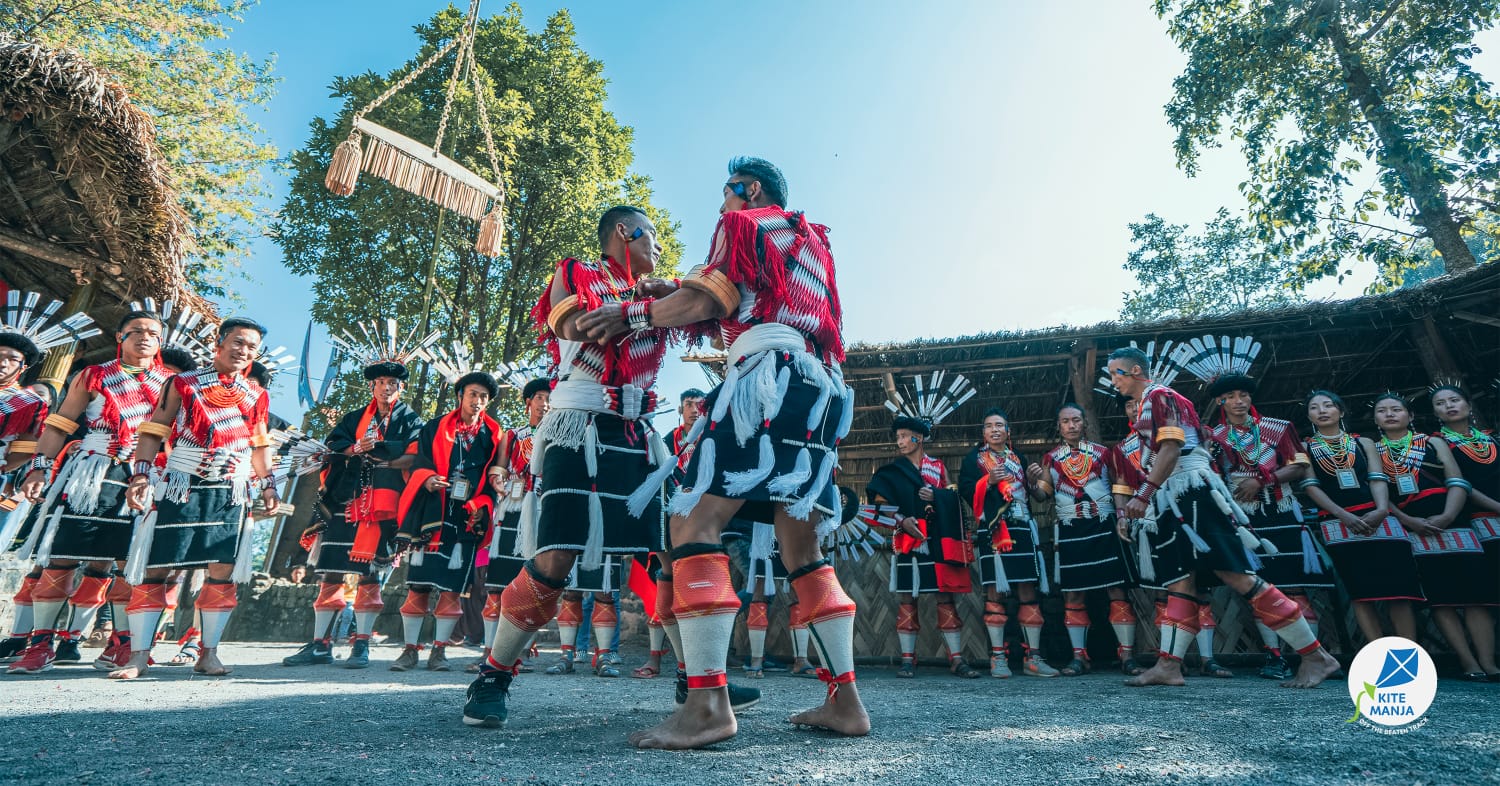
The Hornbill Festival is easily one of the most vibrant and colorful cultural gatherings in Northeast India. Every December (1st–10th), all 16 major tribes of Nagaland come together to celebrate their rich traditions, foster inter-tribal harmony, and showcase their heritage to the world.
While thousands of articles cover the basics of this “Festival of Festivals,” most travel guides miss the practical details and unique backstories that truly shape the experience. Whether you are a photographer, music lover, or culture enthusiast, here are seven facts and insider tips you need to know before attending the 2026 Hornbill Festival.
1. The Hidden Meaning Behind the Venue’s Name
The Hornbill Festival takes place at the Naga Heritage Village in Kisama, situated at the foothills of the majestic Japfü Peak—roughly 12 kilometers from Kohima, the capital city of Nagaland.
What many visitors do not realize is that “KISAMA” is a synthetic name created from two neighboring villages:
* KI – Taken from Kigwema
* SA – Taken from Phesama
* MA – Means “village” in the local Angami dialect.
The Nagaland Government combined these names to honor the ancestral land on which this cultural village was established.
2. A Dual Celebration: Nagaland Statehood Day
The grand opening of the Hornbill Festival on December 1st also coincides with a major historic milestone for the state. On December 1, 1963, Dr. S. Radhakrishnan, then-President of India, officially declared Nagaland as the 16th state of the Indian Union. Because of this, Day 1 features high-profile state ceremonies, diplomatic guests, and spectacular opening performances that set the tone for the entire 10-day event.
3. Post-Pandemic Tourism is Booming: Book Early
The popularity of the festival has grown massively in recent years, with annual visitor counts regularly surpassing 250,000 to 300,000 people, including thousands of international travelers.
Essential Accommodation & Logistics Tips:
* Beat the Highway Traffic: The single road connecting Kohima to Kisama experiences severe gridlock during festival hours.
* Stay Inside Kisama Village: To maximize your time and avoid long commutes, booking accommodation directly inside the festival grounds is your best strategy.
* Camp KITE MANJA: The Camp Kite Manja campsite is located inside Kisama Village. Staying here gives content creators, photographers, and travelers immediate walking access to all the action without ever getting stuck in traffic jams.
4. Photographers: The 8:00 AM Golden Rule
If you want to capture stunning, crowd-free portraits of tribal dancers in traditional attire, timing is everything. The main cultural shows, indigenous games, and folk performances take place inside the central amphitheater, where seating fills up quickly.
* Arrive by 8:00 AM: Securing a seat early ensures an unobstructed view for taking photos.
* Optimal Lighting: Early morning light provides the ideal warm glow for photography while keeping you clear of the harsh mid-day sun.
* Behind-the-Scenes Access: Arriving early gives you the opportunity to observe performers preparing their elaborate headgear and traditional attire behind the main stage.
5. Beyond Kisama: Offbeat Side Events around Kohima
The Hornbill Festival extends far beyond the main arena. Side events organized across the Kohima district offer plenty of alternative experiences:
* Scenic Trekking: Set out on a refreshing day hike or an unforgettable overnight trek into the breathtaking Dzükou Valley.
* Night Markets & Culinary Stalls: Experience the vibrant Kohima Night Bazaar to sample ethnic delicacies, smoked meats, and bamboo-shoot specialties.
* Hornbill Riders Meet (HRM): Organized by the Nagaland Motorcycle Club (NMC), this multi-day event draws Royal Enfield and touring riders from across India for a celebration of motorcycling culture, music, and brotherhood.
6. The Evolving Hornbill Music & Rock Scene
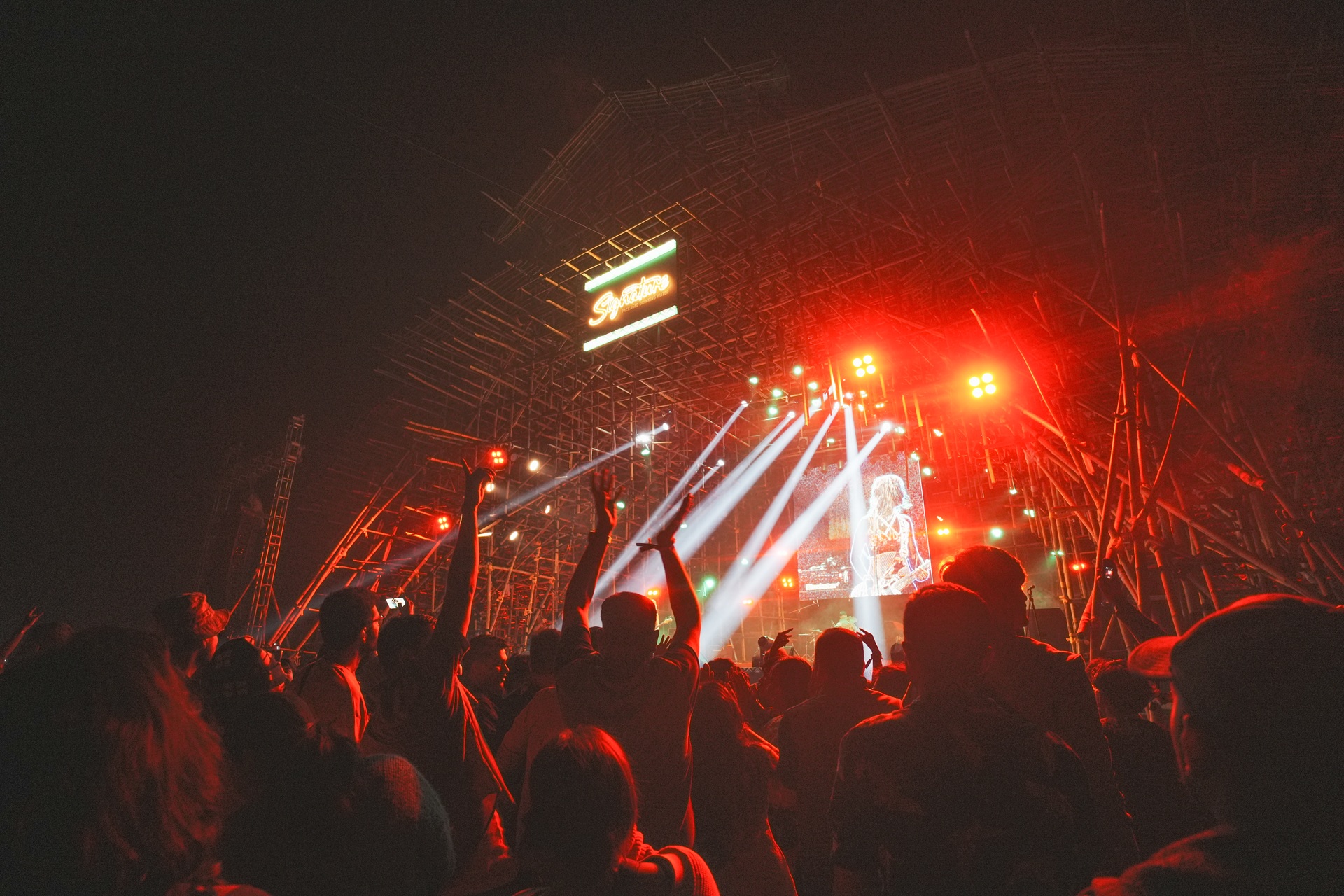
Nagaland is famous for its rich music culture, and the festival’s musical lineup is a massive draw. Historically known as the Hornbill International Rock Contest (HIRC), the event has evolved into a broader Hornbill Music Festival, showcasing everything from classic rock to contemporary indie, pop, and electronic acts.
* Location Note: Major evening music concerts and band competitions are held at venue grounds outside the main village arena (such as the Agri-Expo Ground in Dimapur or designated music arenas near Kohima).
* Itinerary Tip: If you plan to catch the music festival finale, align your travel dates between December 5 and December 8 to seamlessly bridge your stay between Dimapur and Kisama.
7. Digital Permits & Essential 2026 Travel Logistics
Before heading to Nagaland, keep these essential logistics in mind:
* Inner Line Permit (ILP): Domestic Indian tourists must obtain an Inner Line Permit (ILP). You can easily apply online via the official Nagaland ILP Portal before your trip.
* Foreign National Registration: Foreign tourists no longer require a RAP/PAP to enter Nagaland, but you must register at the local Foreigners Registration Office (FRO) or designated entry checkpoints upon arrival.
* Connectivity & Cash: While mobile networks cover Kohima and Kisama, heavy crowd congestion can slow down mobile data at the venue. Carry sufficient cash (INR) for local artisan stalls, food, and local transport.
Experience Hornbill 2026 with Camp KITE MANJA!
Don’t let traffic jams and distant hotels ruin your Hornbill experience. Camp Kite Manja campsite is located inside Kisama Village, putting you right at the heart of the main arena.
Enjoy comfortable dome and alpine tents, clean hygienic amenities, warm campfires under the starlit Naga sky, authentic local food, and a vibrant community of fellow travelers, photographers, and culture lovers right where the action happens.
Spaces for Hornbill 2026 fill up fast—book your stay with Camp KITE MANJA today and secure your prime spot at the Festival of Festivals!