The northeast of India is a perfect kaleidoscope of rich heritage and breathtaking natural beauty. Among the Seven Sisters of the Northeast, Arunachal Pradesh holds a breathtaking charm all its own. Home to over 26 major tribes and 100 sub-tribes, each with its own distinct language and culture. Arunachal Pradesh stands in a league of its own.It’s a magnificent blend of vibrant culture and pristine nature.
Arunachal Pradesh is a land of many journeys, but some roads lead to places that feel almost dreamlike. Ziro Valley is one such place—where mist drifts across emerald fields, hills rise quietly around you, and the rhythm of Apatani life unfolds at its own gentle pace. And with Kite Manja along the way, there’s more to discover beyond the familiar paths.Tucked away in pine-scented hills, Ziro isn’t just a place to see; it’s a place to feel.
Nestled in the verdant valley of Lower Subansiri district, Ziro is a place where time slows down. It’s famous for its vast, flooded rice fields that mirror the sky, and the warm, welcoming Apatani tribe who have called this valley home for generations.
Now, let’s explore what makes Ziro Valley so special—and why it belongs at the very top of your Arunachal travel list:
Culture

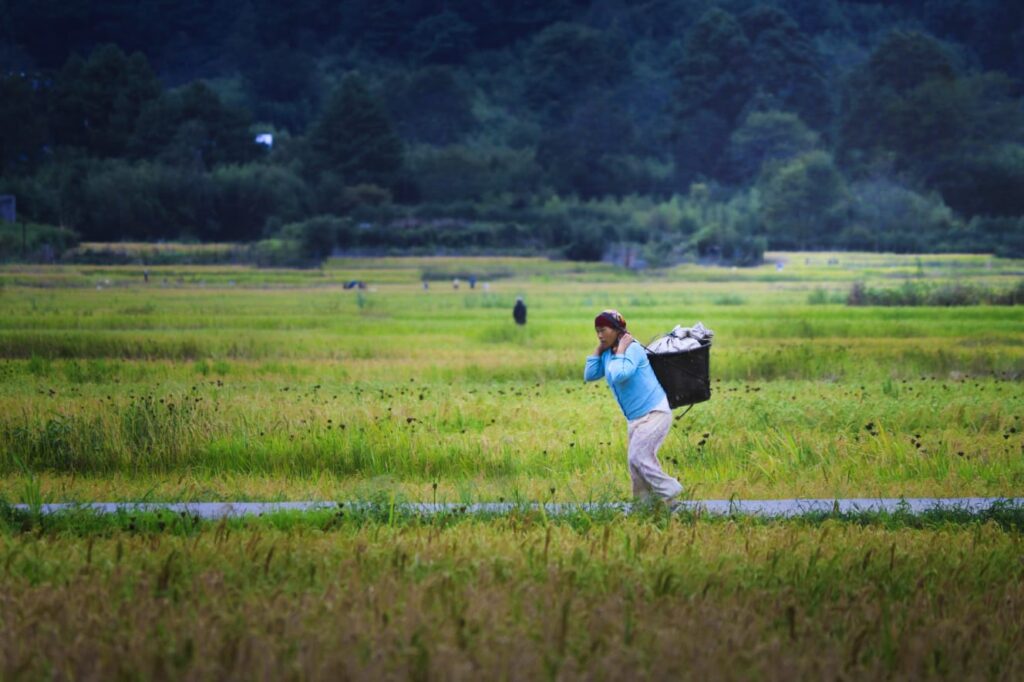
The Ziro Valley is home to the indigenous Apatani tribe, which is one of the most culturally vibrant tribes of Arunachal Pradesh. A UNESCO Tentative Site since 2014, the Apatani Cultural Landscape celebrates a rare, perfect balance between culture and nature.They are specially famous for their wet rice cultivation using nature’s own water and rich soil rather than machines and chemicals.
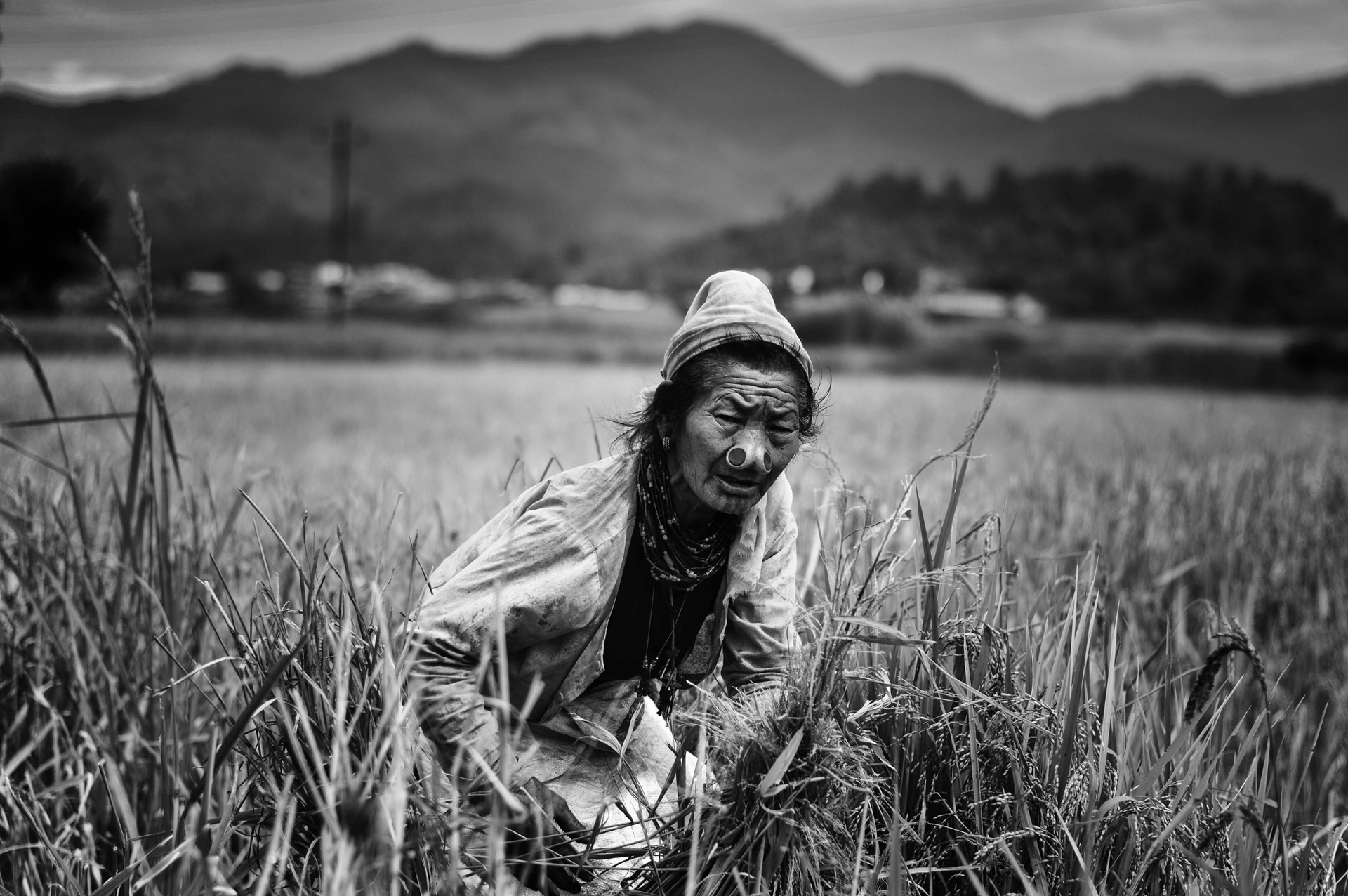
But perhaps their greatest tradition is their respect for nature. The forests, sun and moon are woven into their way of life. Here, nature and human life don’t merely coexist; they complete each other. The Apatani way of life finds its fullest expression in colourful festivals, as Myoko and Dree awaken villages with music, dance and ancient rituals. Among the most memorable glimpses of Apatani heritage are the facial tattoos and large nose plugs, known as yaping hullo, traditionally worn by Apatani women. Today, these tattoos are mostly seen on older women. Faded with time, the marks still tell stories of identity, tradition and a way of life passed down through generations. The Apatani tribe is well known for their effective traditional village council called bulyañ, which supervises, guides and has legal oversight over the activities of individuals that affect the community as a whole. A walk through an Apatani village offers a closer look at this way of life—its homes, fields, food and everyday rhythms. Through its village tours, Kite Manja brings travellers into these quieter corners of Ziro, creating opportunities to meet locals and experience the valley beyond its familiar sights.
Natural Beauty
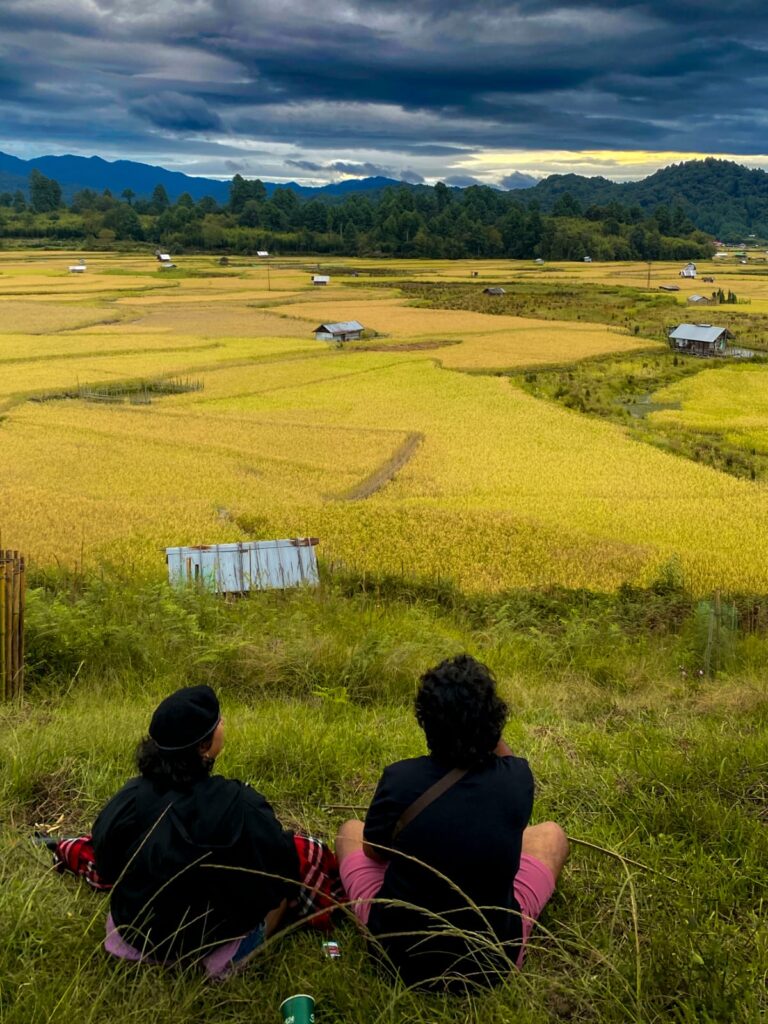
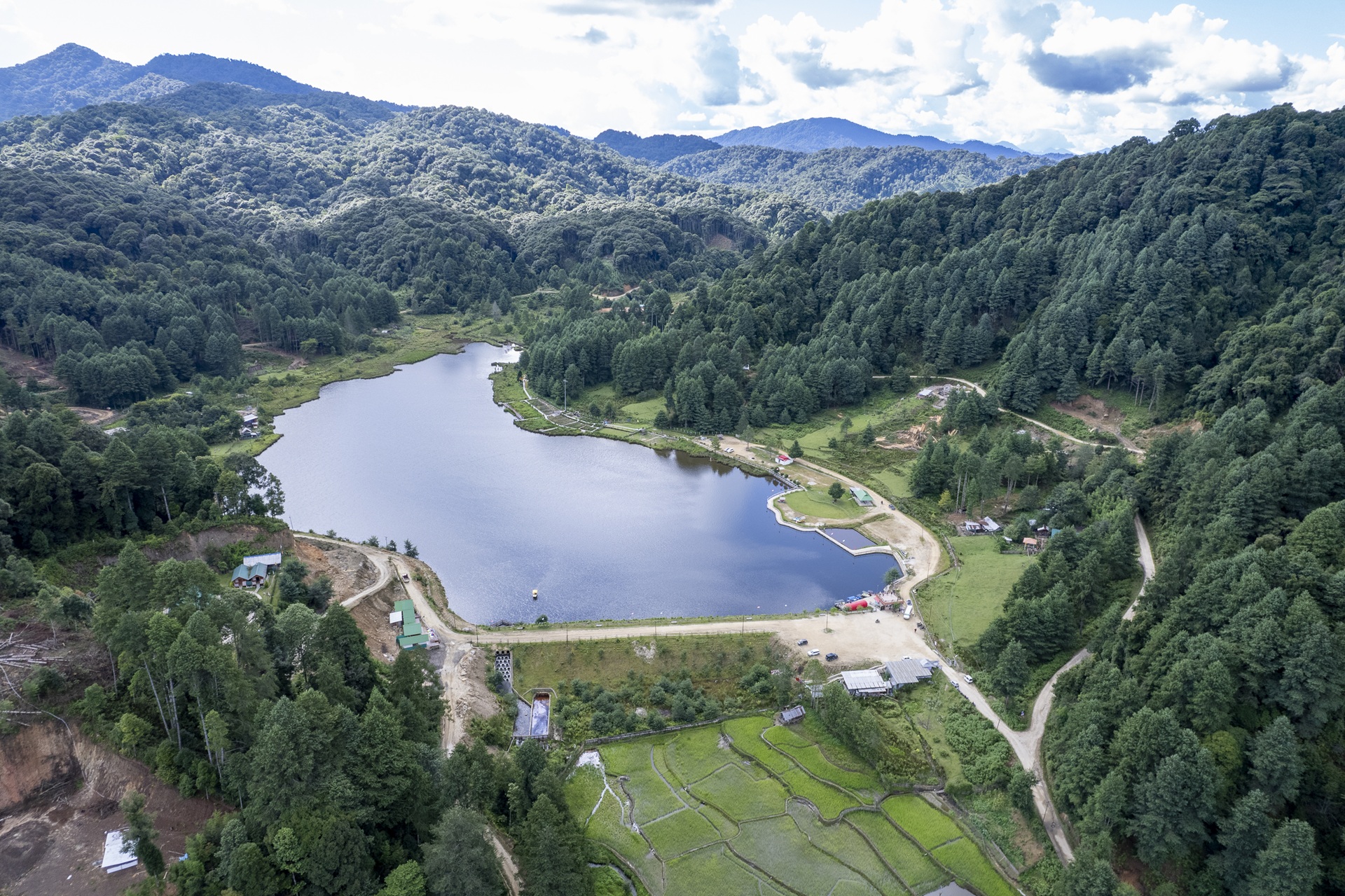
Any discussion about the Ziro Valley without talking about its ethereal natural beauty is like talking about Goa without beaches. In the scenic emerald paddy fields of the Ziro Valley stretching beneath misty hills as cool mountain air carries the scent of wet earth and pine—Ziro isn’t just a place to see, but a landscape to feel.For tourists exploring Ziro, a few sights truly stand out. Manipolyang Viewpoint offers sweeping views of misty paddy fields and rolling pine hills, while the tranquil Seeh and Sikhe Lakes invite unhurried walks amid towering trees. Hidden within the forests of Kardo Hills, the massive, naturally formed Kardo Shiva Linga adds a quiet sense of wonder to Ziro’s landscape.
One of the best ways to explore the natural beauty of the Ziro Valley is hiking through the green mountain fields of Tau Tiibi which offers a refreshing escape. It’s a scenic one-hour trek arranged by Kite Manja which leads to traditional farmlands and ingenious irrigation channels. Visitors can explore the fields, learn about local farming and connect with nature through this immersive countryside hike.
Beyond misty hills and emerald fields, Ziro reveals a quieter spectacle—the flutter of butterflies, birdsong and forests alive with colour. The Ziro Butterfly Meet lets visitors experience this biodiversity up close through guided walks, birdwatching and nature trails, turning a visit into an immersive journey through the valley’s wild, delicate beauty.
The Ziro Festival of Music

Every September, Ziro finds another way to tell its story—through music. Held every year from 24–27 September, the Ziro Festival of Music transforms the valley into a vibrant meeting place for independent artists, travellers and music lovers. Yet its charm lies as much in the setting as in the sounds: misty mountains, pine groves, open skies and evenings spent sharing music with strangers who quickly feel like friends.
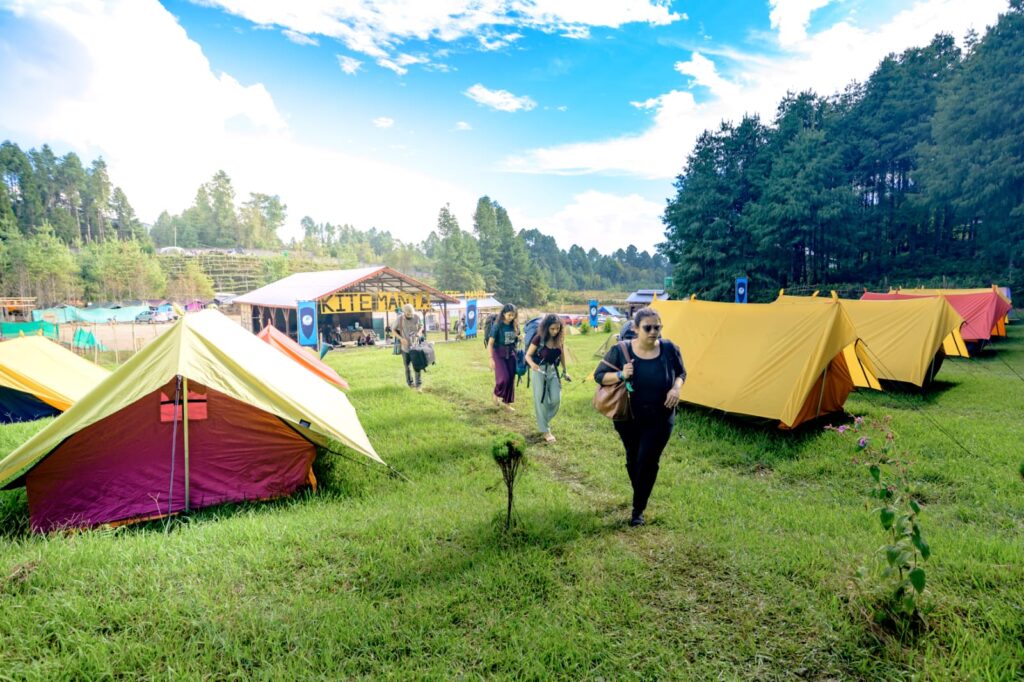
Camp Kite Manja has been associated with the festival since its first edition in 2012, is its oldest, happiest and most well-equipped campsite. Set amid lush green pine groves, just 1.5 km from the festival venue, it offers an easy walk to the festivities. For those seeking alternatives to camping, accommodation is also available through resorts, hotels and homestays, making the Ziro experience comfortable and flexible.
In the end, we can conclude that the Ziro Valley is a perfect amalgamation of culture, natural beauty, and festivity, making it one of the most sought-after destinations of not only the Northeast, but the whole of India. Perhaps that is what makes Ziro special, it never asks you to simply look at it; it invites you to slow down and feel it. From the quiet rhythm of Apatani life and the whisper of pine forests to the colours of its wildlife and the energy of its music, Ziro leaves a little of itself with everyone who visits.You may come to Ziro for the music, but somewhere between the mist, mountains and melodies, the valley finds a way into your heart—and when you leave, you realise you have carried a little piece of Ziro home.